Many SaaS teams treat design as a phase: research happens, screens get drawn, files get handed over, and the designer moves on. Then the product launches, adoption is slower than planned, and nobody is quite sure which decision caused it. End to end product design works differently. The same person or team carries the problem from the first interview to the moment real users succeed with the shipped product.
This is the six-stage framework I have used across 16 years of taking products from research to go-live. The stages overlap, but each has a clear output.
Stage 1: Discovery
Goal: find the real problem before designing anything.
I interview users and stakeholders, review analytics and support tickets, and audit the existing product if there is one. The output is a short brief: who the users are, the top jobs they need to do, where they struggle today, and how success will be measured. For existing products, a structured UX audit is often the fastest way to build this picture.
Stage 2: Structure and flows
Goal: agree on how the product works before deciding how it looks.
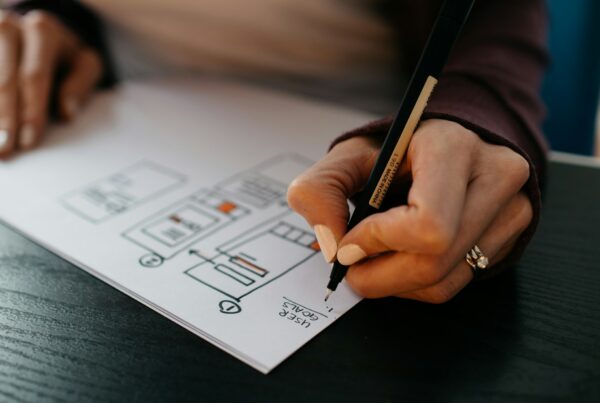
I map the information architecture, the core user flows and the roles and permissions. In SaaS, permissions shape almost every screen, so they come early. The output is a set of flows that product, engineering and business can review together. Changing a flow here costs minutes. Changing it after development costs weeks.
Stage 3: Prototype and validate
Goal: test the riskiest ideas with real users.
I build interactive prototypes of the key flows, using realistic data and, for UAE products, both English and Arabic. Short rounds of testing with five or six users per role usually reveal the biggest problems. Increasingly I prototype in code for complex interactions, because it shows real behaviour that static frames hide.
Stage 4: Design system and UI
Goal: turn validated flows into a consistent, scalable interface.
I define design tokens, components and patterns, then design the final UI from them. Every component gets all its states: default, hover, focus, disabled, loading, empty and error. A system built at this stage keeps the product consistent as features grow. I cover the details in my scalable design system guide.
Stage 5: Design-to-code delivery
Goal: make sure what ships matches what was designed.
This is where most products lose quality. I replace traditional handoff with a system: tokens pulled straight from the design file into code, a rules file that tells developers and AI coding agents how to build, and automated checks that block raw values, broken imports and right to left mistakes before review. I stay involved through development, reviewing builds and answering questions as they come up.
Stage 6: Launch, measure and improve
Goal: confirm real users succeed, then improve.
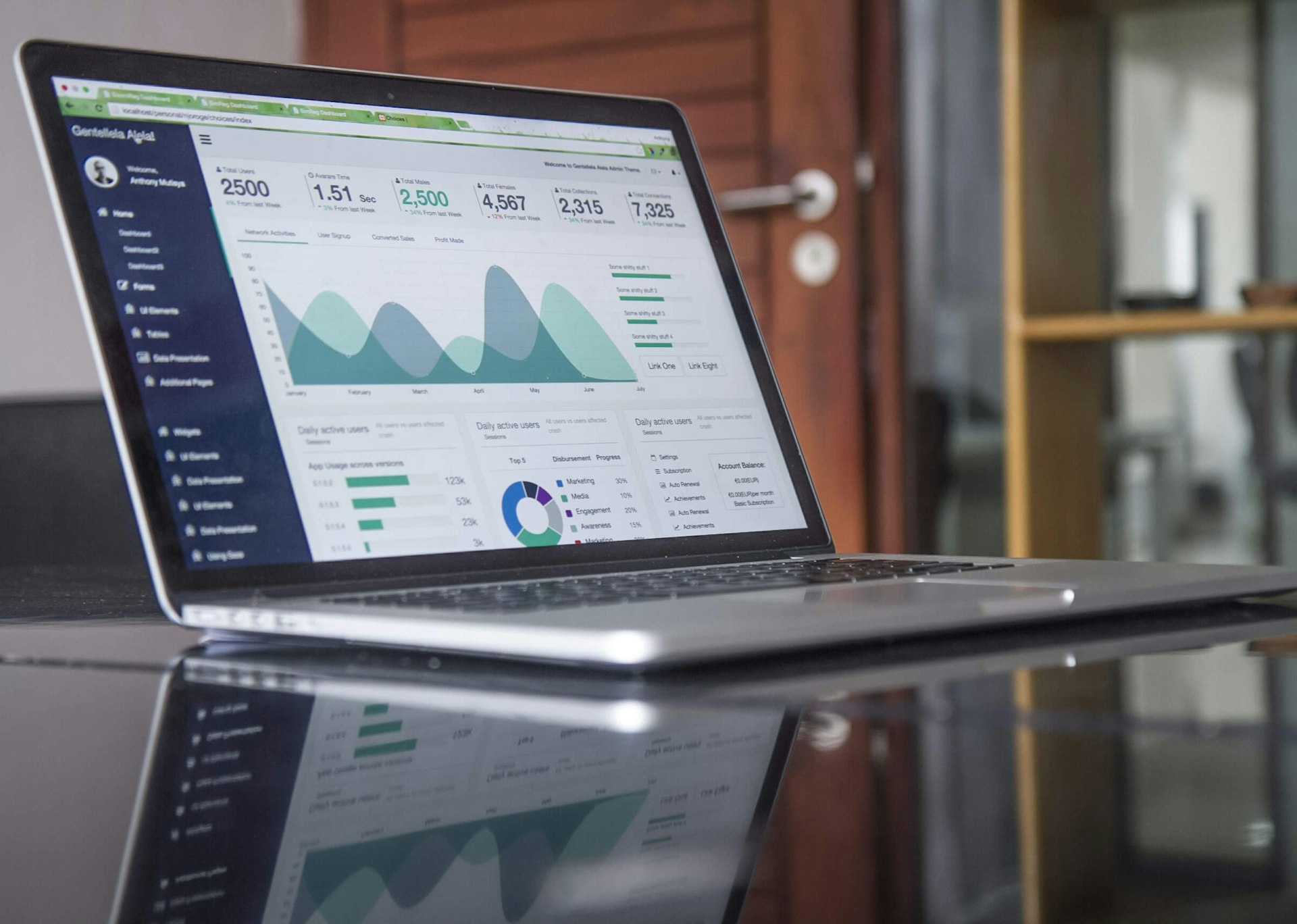
Design work does not stop at release. I track activation, task completion, time on key tasks and support requests, and I watch real sessions where possible. The first few weeks after launch usually show a handful of small fixes with a large impact. Often the right next step is improving UX without a redesign.
Why end to end matters for SaaS
- Fewer gaps: decisions made in research survive into the shipped product.
- Faster delivery: less back and forth between design and development.
- Better retention: problems found after launch get fixed by someone who understands why the design is the way it is.
- Clear accountability: one owner for the experience from start to finish.
Adapting the framework
Not every project needs every stage at full depth. A new feature in a mature product might spend a week in discovery and lean heavily on the existing design system. A new SaaS product needs all six stages. The order stays the same, the depth changes.
Frequently asked questions
What is end to end product design?
It is a way of working where design covers the whole lifecycle, from research and flows through UI, delivery and post-launch improvement, rather than stopping at handoff.
How long does end to end product design take for a SaaS product?
A new product often takes three to six months to first release. A major feature in an existing product can take four to eight weeks.
Does end to end design replace developers?
No. It means the designer works closely with developers through delivery so the shipped product matches the intent.
Building or rebuilding a SaaS product? I offer end to end product design consulting, from research to go-live.
Public sector teams use a similar phased model, and the GOV.UK Service Manual on agile delivery is a good reference for discovery, alpha, beta and live phases. End to end product design applies the same discipline to SaaS: one thread from research to real users, with end to end product design ownership at every stage.